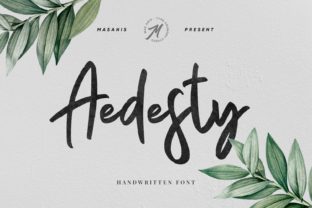
Lostmytalk: A Handwritten Font with Authentic Charm
Lostmytalk isn’t just another script font—it’s a quiet, confident voice on the page. Designed to feel handwritten without looking overly scripted or artificial, it carries warmth in its uneven baseline, subtle ink variation, and gentle slant. There are no sharp angles or forced flourishes—just honest, approachable letterforms that breathe like real handwriting. That authenticity is why designers, educators, and small business owners reach for Lostmytalk when they want sincerity to show through—not as decoration, but as intention.
Why “handwritten” matters more than you think
Handwritten fonts tap into something deeply human: trust, personality, and immediacy. But not all handwritten fonts achieve that. Some feel stiff or overly stylized; others sacrifice readability for flair. Lostmytalk strikes a rare balance—it’s legible at small sizes, expressive at large ones, and versatile enough to work across print, web, and social visuals. Its charm comes from restraint: slight variations in stroke weight, organic spacing, and a rhythm that mimics natural writing—not a perfect loop, but a thoughtful pause between letters.
For beginners and hobbyists
If you’re just starting out with design tools—or even using Canva or Google Slides—you’ll appreciate how effortlessly Lostmytalk integrates. No complex installation needed (it works with most desktop and web apps), and no typography theory required to get great results. Try it for a handmade greeting card, a cozy blog header, or a personal journal cover. It adds character without demanding expertise. You don’t need to know kerning or tracking to notice how it softens a layout and invites the eye to linger.
For educators and content creators
Teachers crafting worksheets, lesson slides, or classroom posters often face a tension: clarity versus connection. Lostmytalk helps bridge that gap. It feels friendly and accessible—ideal for younger learners or inclusive learning materials—while still maintaining strong readability in body text or captions. One literacy coach uses it for phonics flashcards because students report the letters “feel familiar,” helping reduce cognitive load during early reading practice. It’s not about novelty—it’s about lowering barriers.
For freelancers and small business owners
When your brand voice leans warm, thoughtful, or artisanal—think local bakeries, independent bookshops, or wellness coaches—Lostmytalk becomes part of your visual tone. It’s subtle enough to avoid distracting from your message, yet distinct enough to help your identity stand out in crowded feeds. A ceramicist uses it for product tags and Instagram story highlights; a freelance editor applies it to client welcome notes and proposal headers. In both cases, it reinforces care and craft—not just what they do, but how they show up.
For marketers and bloggers
Digital attention is scarce, and authenticity cuts through noise. Lostmytalk supports that without leaning into trendiness. Unlike fonts that scream “hand-drawn!” with exaggerated swashes, Lostmytalk whispers confidence. Bloggers use it for pull quotes or section dividers—adding texture without sacrificing scannability. Email marketers test it in subject lines or signature blocks and find open rates hold steady while reply tone becomes noticeably more personal (“Love this newsletter—feels like it was written just for me”). It doesn’t shout. It connects.
What to consider before choosing Lostmytalk
Like any tool, Lostmytalk shines brightest when matched to your goals—not every project needs its particular kind of warmth. Ask yourself:
- Is legibility at smaller sizes important? Yes—Lostmytalk performs well down to 14–16px in digital interfaces, though avoid tight line spacing in long paragraphs.
- Do you need multilingual support? It includes extended Latin characters (covering most Western European languages), but doesn’t support Cyrillic, Greek, or Asian scripts.
- Are you licensing for commercial use? Lostmytalk is free for personal projects and available under affordable commercial licenses—no hidden fees or subscription tiers.
- Does your workflow rely on variable font features? It’s a static font (not variable), so if you need real-time weight or width adjustments, you’ll want to pair it with a complementary sans-serif instead.
Real-world examples—simple, effective, meaningful
A nonprofit launching a donor appreciation campaign used Lostmytalk for handwritten-style thank-you cards—printed on textured paper, scanned, and shared digitally. The result felt intimate, not automated.
A university department redesigned its internal workshop handouts using Lostmytalk for headings and key takeaways. Feedback showed participants perceived the material as more collaborative and less bureaucratic.
A food blogger switched from a generic script to Lostmytalk for recipe titles and ingredient callouts. Engagement on Pinterest pins increased—not because the font went viral, but because readers paused longer, scrolled slower, and saved more often.
When Lostmytalk might not be your best fit
It’s not ideal for high-contrast signage, technical documentation, or interfaces requiring strict accessibility compliance (like WCAG AA at very small sizes). If your priority is ultra-modern minimalism or bold typographic contrast, you may prefer a tighter, more geometric option. And if your project demands extensive language coverage or OpenType features like stylistic alternates or ligatures, other fonts offer broader functionality.
Getting started—no pressure, no complexity
You can try Lostmytalk immediately in most design apps by installing the .ttf file—or use it directly via platforms like Figma, Adobe Creative Cloud, or even Google Docs (with a compatible plugin). There’s no steep learning curve. Start small: replace one heading, one quote, or one logo lockup. See how it shifts the mood—not dramatically, but meaningfully. That’s the quiet strength of Lostmytalk: it doesn’t demand attention. It earns it.
Whether you're sketching ideas on paper or refining a final deliverable, Lostmytalk reminds us that typography isn’t just about structure—it’s about resonance. It’s the difference between saying something and making someone feel heard.