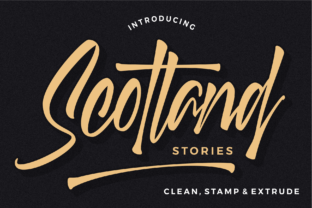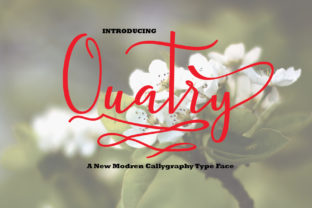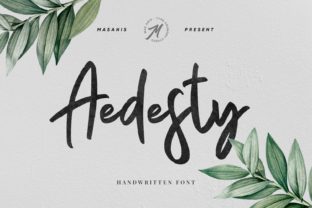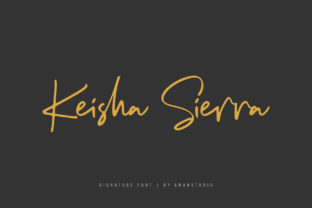
Diana Rough: A Handwritten Font with Smart Charm
Diana Rough isn’t just another script font—it’s a quiet conversation between elegance and authenticity. With its subtle irregularities, gentle contrast, and confident rhythm, Diana Rough feels handwritten but never hasty. It’s not overly ornate, nor is it sterile or mechanical. Instead, it carries a “smart feel”: thoughtful spacing, intentional weight shifts, and a natural flow that suggests human intention—not algorithmic perfection. That balance makes it unusually versatile across contexts where personality matters as much as clarity.
Why a Font Like Diana Rough Matters—Differently for Different People
For a freelance graphic designer pitching a boutique brand identity, Diana Rough might be the secret ingredient that signals warmth without sacrificing professionalism. For a high school teacher crafting classroom posters, it could make learning materials feel more approachable—and less like corporate templates. A small-batch candle maker choosing packaging typography isn’t just picking a “pretty” font; they’re choosing how customers first experience their values: handmade, intentional, quietly confident. Diana Rough supports those messages without shouting.
Beginners: Simplicity Without Sacrifice
If you’ve ever opened a design tool and felt overwhelmed by fonts that either look too stiff or too chaotic, Diana Rough offers a rare middle ground. Its letterforms are legible at small sizes (like on social media bios or email headers), and it doesn’t require kerning expertise to look balanced. You can drop it into Canva, Figma, or Google Docs (via add-ons) and get immediate, cohesive results—even without prior typography knowledge. No need to adjust ligatures or alternate glyphs unless you want to. That ease lowers the barrier, letting beginners focus on *what* they’re communicating—not just *how* to make it look right.
Creators & Content Makers: Voice in Visual Form
Bloggers, podcasters, and newsletter writers often build audience trust through tone. Diana Rough mirrors that effort visually: its slight variation in stroke width and baseline movement echoes the natural cadence of speech. Try using it for pull quotes in an article about mindful living—or for episode titles in a creative process podcast. It doesn’t distract; it deepens. Unlike ultra-polished scripts that can feel distant, Diana Rough retains a tactile, almost sketchbook-like honesty—ideal when your content thrives on relatability and nuance.
Educators & Nonprofits: Clarity with Character
In educational handouts, workshop slides, or community flyers, readability and emotional resonance both matter. Diana Rough performs well in print and on screen at 14–18 pt sizes, especially for headings or short blocks of text. Its open counters (the enclosed spaces in letters like ‘a’, ‘e’, ‘o’) aid quick recognition, while its friendly posture invites engagement—not intimidation. A literacy tutor might use it for vocabulary cards; a local food bank might choose it for volunteer appreciation banners. In both cases, the font quietly affirms dignity and care—without needing explanation.
Small Business Owners & Entrepreneurs: Branding That Feels Human
When your business runs on relationships—not algorithms—typography becomes part of your handshake. Diana Rough works especially well for service-based businesses (coaches, therapists, designers, makers) where trust is built over time. It avoids the coldness of sans-serifs and the fussiness of calligraphic scripts. Imagine it on a café menu board next to hand-drawn illustrations, or as the headline font on a sustainable skincare label. The effect isn’t “I bought a font”—it’s “this was chosen with care.” That perception has real commercial value, especially when competing against larger, less-personal brands.
What to Consider Before Using Diana Rough
Like any tool, Diana Rough shines brightest when matched to realistic expectations and actual needs:
- Ease of use: Works out-of-the-box in most modern apps—no complex setup or OpenType features required for solid results.
- Flexibility: Best suited for headings, logos, short quotes, and accent text. Not designed for long paragraphs or dense body copy (where a complementary serif or sans-serif would pair more effectively).
- Presentation: Excels in print, signage, and digital displays where texture and personality elevate meaning—less ideal for data-heavy dashboards or technical documentation.
- Creative fit: If your project leans minimalist, industrial, or ultra-modern, Diana Rough may feel tonally mismatched. But if warmth, craft, or approachability are core to your message? It fits like a well-worn glove.
A Few Real-World Examples
A yoga studio owner uses Diana Rough for class schedule posters—paired with soft neutral tones and ample white space—to reinforce calm and intentionality. No extra words needed; the font itself signals the mood.
A science educator creates illustrated flashcards for middle schoolers. She uses Diana Rough for the term (“photosynthesis”) and a clean sans-serif for the definition. The contrast helps students visually separate concept from explanation—while keeping the whole card feeling inviting, not clinical.
A freelance illustrator adds Diana Rough to her website’s “About” section headline. It subtly echoes the hand-drawn quality of her portfolio work—reinforcing consistency across mediums without repeating the same visual motif.
Does Diana Rough Fit Your Next Project?
Ask yourself: Is this about making something look polished—or making it feel true? Are you trying to stand out in a sea of uniformity, or connect more deeply with people who value authenticity over flash? If your answer leans toward the latter, Diana Rough deserves serious consideration.
It won’t solve every typographic challenge. It won’t replace a full type system. But when used intentionally—on a wedding invitation, a handmade product tag, a nonprofit’s annual report cover, or even a thoughtful Instagram Story—it adds quiet distinction. Not loud, not trendy, not generic. Just simply beautiful—and smartly so.