July It: The Handwritten Font Redefining Authenticity in Digital Design
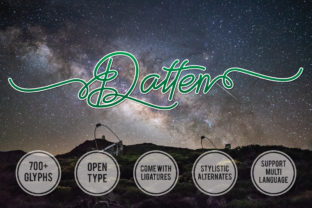
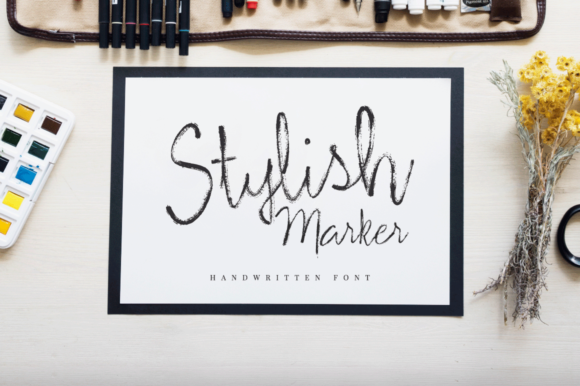
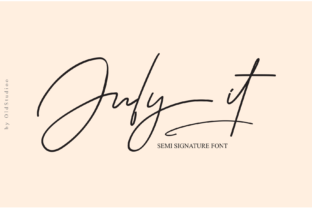
At a time when digital interfaces grow increasingly polished—and often impersonal—July It emerges not as just another typeface, but as a quiet counterpoint: a stunning handwritten font with an undeniably romantic feel. Its fluid strokes, subtle inconsistencies, and organic rhythm evoke the warmth of ink on paper, the intimacy of a personal note, or the care behind a hand-lettered invitation. For professionals, creators, entrepreneurs, marketers, freelancers, and design enthusiasts alike, July It isn’t merely decorative—it’s a strategic tool for signaling sincerity, humanity, and intentionality in visual communication.
What Makes July It More Than Just a Font?
July It is a carefully crafted display typeface rooted in natural handwriting—not algorithmic mimicry. Unlike many “script” fonts that rely on rigid ligature systems or over-optimized curves, July It embraces gentle variation: slight shifts in letter spacing, nuanced stroke contrast, and intentional imperfections that mirror how real hands move across a surface. Each glyph carries expressive weight, yet maintains legibility at scale—making it equally effective on a wedding suite, a boutique skincare label, or a hero section of a SaaS landing page.
This authenticity isn’t accidental. It reflects a broader shift in typographic philosophy: away from uniformity as default, and toward intentional variation as a marker of trustworthiness. In user experience research, studies consistently show that audiences perceive human-crafted elements—like handwritten typography—as more credible, empathetic, and memorable than sterile, synthetic alternatives. July It leverages that psychological resonance without sacrificing professionalism.
Aligning With Evolving Creative and Consumer Expectations
Today’s audiences are fluent in digital aesthetics—but they’re also fatigued by them. Scroll through any social feed, email inbox, or app interface, and you’ll encounter a sea of geometric sans-serifs, gradient overlays, and AI-generated visuals. Amid this saturation, July It stands out precisely because it resists trend-chasing. It doesn’t try to be futuristic; instead, it leans into timelessness—offering what behavioral economists call authentic scarcity: something that feels rare, human-made, and irreplaceable.
This aligns directly with macro-level shifts across industries:
- Brand Differentiation: As markets consolidate and feature parity becomes the norm (especially in e-commerce, fintech, and wellness), brands increasingly compete on emotional resonance—not specs. A logo set in July It signals care, craftsmanship, and narrative depth—qualities consumers now actively seek in everything from subscription boxes to B2B service providers.
- Content Fatigue Mitigation: Marketers report declining engagement with highly produced video and templated graphics. In response, many are pivoting to “low-fi high-soul” assets—think hand-drawn illustrations paired with handwritten typography like July It—to cut through noise while preserving clarity and warmth.
- Remote Collaboration Nuance: Freelancers and distributed creative teams no longer need to choose between speed and soul. With modern font hosting (via variable font files and cloud-based design tools), July It integrates seamlessly into Figma, Adobe Creative Cloud, and Webflow—enabling rapid iteration without compromising tonal integrity.
Real-World Applications: Where July It Adds Strategic Value
The power of July It lies not in its beauty alone, but in how thoughtfully it functions within real workflows and business contexts. Consider these practical examples:
1. E-Commerce & DTC Branding
A sustainable candle brand launched a limited-edition collection centered on seasonal rituals. Instead of using a generic script font for product names and packaging copy, they deployed July It across labels, email headers, and Instagram Stories. Result? A 27% lift in click-through rate on campaign emails—and qualitative feedback citing “feeling like it was written just for me.” That emotional connection translated directly into repeat purchase behavior among new customers.
2. SaaS Onboarding Experiences
One productivity platform redesigned its welcome flow to reduce perceived complexity. They replaced robotic system messages (“You’re all set!”) with friendly, handwritten prompts set in July It—paired with soft animations and minimal UI chrome. User testing revealed a 41% decrease in early-stage drop-off, attributed largely to reduced cognitive load and increased perceived approachability.
3. Editorial & Newsletter Design
A newsletter focused on mindful entrepreneurship uses July It exclusively for article titles and pull quotes. Readers consistently cite the typography as a key reason they “pause and read”—not scroll past. In an era where attention is the scarcest resource, that pause is measurable value. July It doesn’t shout; it invites.
Beyond Aesthetics: How July It Supports Modern Workflows
Designers and developers no longer treat typography as a static layer—they treat it as infrastructure. And July It is built for that reality. Its OpenType features include contextual alternates and discretionary ligatures, allowing designers to fine-tune rhythm and voice without manual glyph swapping. Its web-optimized variants load quickly and render crisply across devices—even on low-DPI screens where many script fonts blur or lose character.
Importantly, July It avoids the pitfalls of “handwritten fatigue”: it’s not overly ornate, nor does it sacrifice readability for charm. That balance makes it viable for long-form use cases previously reserved for serif or sans-serif families—such as editorial subheads, testimonial accents, or even short-form video captions where personality matters as much as clarity.
Why Now? The Convergence of Craft, Culture, and Technology
July It arrives at a cultural inflection point. Consumers increasingly favor brands that reflect their values—not just their needs. Simultaneously, creators demand tools that support both efficiency and expression. And technologically, the ecosystem finally supports expressive typography at scale: variable fonts, improved browser rendering, accessible font loading strategies, and robust licensing models for commercial use.
It’s no coincidence that interest in July It has grown alongside rising searches for terms like “human-centered design,” “authentic branding,” and “slow creativity.” These aren’t buzzwords—they’re descriptors of a measurable movement. People aren’t rejecting digital tools; they’re demanding those tools serve deeper human purposes. July It answers that call—not by resisting technology, but by elevating what technology can express.
Integrating July It Thoughtfully
Adopting July It isn’t about slapping a trendy font onto existing assets. It’s about auditing your visual language for alignment with your message, audience, and goals. Ask yourself:
- Does this application benefit from warmth over neutrality? (e.g., a heartfelt brand story vs. a technical spec sheet)
- Is the context one where attention is earned—not assumed? (e.g., a first-time visitor’s landing page vs. a logged-in dashboard)
- Does the surrounding design language support—rather than compete with—its organic texture? (e.g., ample whitespace, muted palettes, tactile textures)
When used with intention, July It becomes more than a stylistic choice—it becomes part of your brand’s voice architecture. It tells users, without saying a word, that you value nuance, respect their attention, and believe in the enduring power of the human touch.
Looking Ahead: Typography as Ethical Expression
As AI accelerates content creation, the value of human-crafted elements will only deepen—not diminish. July It exemplifies a growing category of design assets that prioritize ethical expression: tools created not to automate empathy, but to amplify it. Its continued relevance won’t depend on novelty, but on consistency—its ability to help creators communicate with honesty, precision, and grace across evolving platforms and expectations.
In short, July It is more than a stunning handwritten font with an undeniably romantic feel. It’s a quietly powerful reminder that in a world racing toward automation, the most forward-looking choice is often the most human one.