Stylish Marker: The Handwritten Font That Brings Authenticity to Digital Design
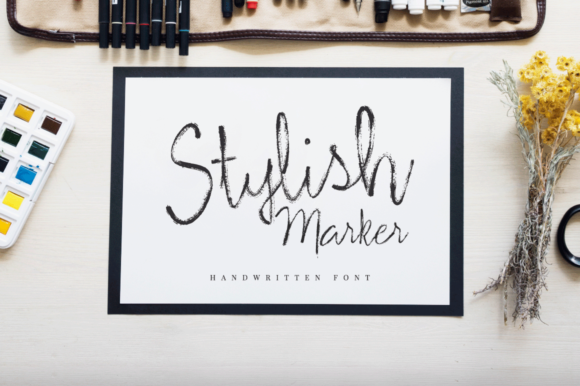
Imagine opening a drawer full of old art supplies—crayons, glue sticks, and that one marker you’ve used so much it’s barely legible. Its tip is frayed, the ink bleeds slightly at the edges, and every stroke carries a quiet history of use. That familiar, imperfect charm is exactly what Stylish Marker captures—not as nostalgia, but as intentional design language. Stylish Marker is a unique handwritten font inspired by a worn-out marker, crafted to add an authentic, human layer to any digital project.
What Is Stylish Marker—and Why Does It Feel So Real?
At its core, Stylish Marker is a display typeface designed to mimic the natural inconsistencies of hand-drawn lettering with a dry-erase or permanent marker. Unlike many “handwritten” fonts that rely on smooth, uniform strokes or overly decorative loops, Stylish Marker embraces imperfection: subtle variations in line weight, slight wobbles in baseline alignment, and gentle ink bleed effects—all built into the glyphs themselves.
This authenticity comes from deliberate design choices. Each character was drawn by hand using an actual worn marker, then carefully digitized and refined—not to erase its flaws, but to preserve their expressive energy. The result? A font that doesn’t just look handwritten—it feels like someone sat down and wrote it just for you.
How It Differs From Other Handwritten Fonts
- Not overly cursive: Stylish Marker avoids excessive flourishes, making it highly legible even at smaller sizes—ideal for headings, labels, or short calls-to-action.
- No forced uniformity: While many script fonts standardize spacing and slant, Stylish Marker includes alternate characters and contextual ligatures that shift naturally, mimicking how real handwriting adapts mid-sentence.
- Designed for contrast: Its bold, medium, and light weights are optimized to work together—so you can pair a thick headline with a lighter subheading without losing visual harmony.
The Purpose Behind the Imperfection
In a world saturated with sleek, algorithm-perfected interfaces and AI-generated visuals, authenticity has become a rare currency. Stylish Marker serves a clear purpose: to reintroduce warmth, approachability, and human intention into digital communication.
Think about it—why do teachers write notes in colored marker on classroom whiteboards? Why do designers sketch headlines on sticky notes before finalizing layouts? Because those marks signal thoughtfulness, immediacy, and connection. Stylish Marker translates that same emotional resonance into typography.
Where Stylish Marker Fits Into Modern Work & Creativity
Whether you're a small business owner updating your website, an educator preparing lesson slides, or a freelance designer building a brand identity, Stylish Marker adds value across contexts:
- Educational Materials: Flashcards, worksheets, and learning apps benefit from its friendly, non-intimidating presence—helping students feel invited rather than assessed.
- Small Business Branding: Cafés, boutiques, and craft studios use Stylish Marker in logos, signage, and social posts to convey personality without sacrificing professionalism.
- Digital Marketing: Email headers, Instagram story text overlays, or landing page banners gain attention through contrast—its organic texture stands out amid sterile sans-serif feeds.
- UI/UX Prototyping: Designers often use it during early wireframing stages to indicate “this is a placeholder—but a meaningful one,” helping stakeholders focus on content tone over pixel-perfect polish.
Common Misconceptions About Handwritten Fonts
Before adopting Stylish Marker—or any expressive typeface—it helps to clarify some frequent assumptions:
- Misconception: “Handwritten fonts are unprofessional.”
Reality: Professionalism isn’t defined by rigidity—it’s defined by appropriateness. A law firm’s annual report may call for Garamond, but a mental health nonprofit’s awareness campaign thrives with the empathetic tone Stylish Marker provides. - Misconception: “It’s only for kids’ projects.”
Reality: While playful, Stylish Marker’s restrained design avoids childish tropes (no cartoonish bounces or exaggerated tails). Its versatility shines in adult-oriented contexts—from podcast cover art to conference session titles. - Misconception: “Using it means sacrificing readability.”
Reality: Stylish Marker was tested extensively for legibility in both print and screen environments. Its open counters, generous x-height, and consistent rhythm ensure clarity—even in dynamic layouts.
Practical Tips for Using Stylish Marker Effectively
Like any powerful tool, Stylish Marker works best when used intentionally. Here’s how to get the most from it:
1. Pair It Thoughtfully
Stylish Marker excels as a headline or accent font. For body text, pair it with a clean, neutral sans-serif like Inter, Open Sans, or Manrope. This contrast reinforces hierarchy while keeping content scannable and accessible.
2. Leverage Its Weights Strategically
Use the bold weight for primary headlines, the medium for buttons or quotes, and the light version sparingly—for delicate captions or background motifs. Avoid using all three in one small space; instead, let each weight earn its place.
3. Embrace White Space
Because Stylish Marker carries visual weight and texture, give it room to breathe. Tight kerning or cramped line heights will mute its expressive qualities—and risk overwhelming readers.
4. Test Across Devices
While Stylish Marker renders beautifully on desktops, always preview on mobile. Some glyph details (like fine ink bleeds) may soften on smaller screens—so prioritize legibility over subtle aesthetics in responsive layouts.
Why Stylish Marker Matters Beyond Aesthetics
Typography shapes perception—often unconsciously. A study published in the Journal of Consumer Research found that audiences associate handwritten-style typefaces with traits like sincerity, creativity, and care. In an era where trust is increasingly earned through transparency and relatability, choosing a font like Stylish Marker is more than stylistic preference—it’s strategic communication.
It also supports inclusivity. Its relaxed structure and high legibility make it easier to read for neurodiverse users who may find rigid, tightly spaced fonts visually fatiguing. When paired with proper color contrast and semantic HTML, Stylish Marker contributes to more humane, accessible digital experiences.
Getting Started With Stylish Marker
Stylish Marker is available through major font platforms including Google Fonts, Font Squirrel, and select premium foundries. Many versions include OpenType features like stylistic alternates, swashes, and multilingual support (covering Latin-based languages, including extended diacritics).
For developers, it’s easy to implement via CSS:
@import url('https://fonts.googleapis.com/css2?family=Stylish+Marker&display=swap');
body { font-family: 'Stylish Marker', cursive; }
Designers using Figma, Adobe Creative Cloud, or Affinity Suite can install it locally or access it directly through cloud font libraries.
A Final Thought: Typography With Intention
Stylish Marker isn’t just another font download. It’s a reminder that behind every digital interface, there’s a person—or a team—trying to connect. Whether you’re launching a new product, teaching a virtual class, or sharing a personal story online, the right typeface can quietly reinforce your message’s heart.
So next time you reach for a font, ask yourself: Does this reflect who I am—or who I want to be in this moment? If the answer involves honesty, warmth, and a touch of joyful imperfection, Stylish Marker might just be the authentic voice your project has been waiting for.