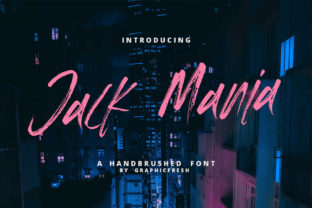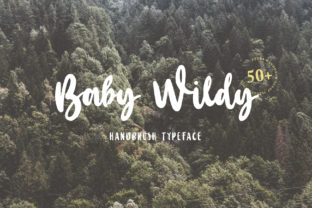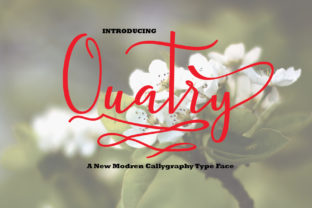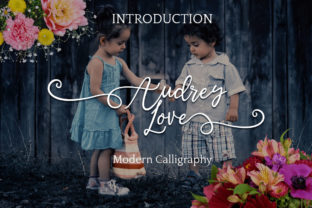
Astoria: A Handwritten Font That Balances Charm and Clarity
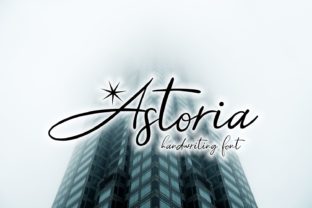
Astoria isn’t just another decorative script—it’s a carefully considered handwritten typeface designed for legibility, warmth, and quiet confidence. Released with attention to rhythm and spacing, Astoria stands apart from overly ornate or aggressively casual alternatives. It avoids the pitfalls of many modern handwritten fonts: excessive swashes, inconsistent baseline alignment, or uneven stroke contrast that undermines readability at smaller sizes. Instead, it delivers a cohesive, human-informed aesthetic—clean enough for professional contexts, expressive enough to convey personality without shouting.
What Makes Astoria Distinctive in Practice
At its core, Astoria is built on restraint. Its letterforms feature subtle entry and exit strokes, gentle tapering, and modest variation in line weight—all hallmarks of natural handwriting—but none so pronounced as to distract or complicate layout. The lowercase a, g, and y use classic single-story forms, enhancing clarity in body text or UI labels. Uppercase letters maintain proportion and presence without dominating; they’re confident but not commanding. Kerning is thoughtfully adjusted across common character pairs, reducing visual gaps that often plague script fonts in headlines or short phrases.
Unlike many handwritten typefaces that rely heavily on contextual alternates or discretionary ligatures, Astoria keeps its OpenType features minimal and purposeful. It includes standard ligatures (fi, fl) and a small set of stylistic alternates—enough to add nuance without requiring design-time decisions that slow down iteration. This makes it especially effective for time-sensitive projects: social media graphics, email headers, presentation slides, or product packaging where consistency matters more than micro-customization.
Where Astoria Excels—and Where It Doesn’t Try To
Astoria performs best when used intentionally—not as a full-text body font, but as a strategic voice. It shines in applications where tone and approachability matter: brand logotypes for lifestyle studios, course titles in online learning platforms, callout text in editorial layouts, or signature lines in newsletters. A boutique bakery might use Astoria for its “Seasonal Menu” banner, pairing it with a neutral sans-serif like Inter or Lato for supporting copy. An independent educator could apply it to workshop names in a course catalog—immediately signaling care and craft without sacrificing professionalism.
It’s less suited for dense paragraphs, legal disclaimers, or data-heavy dashboards. Its charm lies in brevity and context—not endurance. That’s not a limitation; it’s a design decision aligned with how people actually read. Most users scan before they read. Astoria supports that behavior by drawing attention efficiently, then stepping back to let content take over.
Quality and Technical Reliability
Built with modern font standards, Astoria includes full Latin-1 support, basic diacritics (à, é, ñ, ü), and consistent hinting for screen rendering. It renders cleanly across browsers and devices—even at 16–18px in web interfaces—without pixelation or awkward spacing shifts. Tested across Chrome, Safari, Firefox, and Edge, it maintains its intended rhythm without fallback triggers under normal conditions. The desktop version (OTF/TTF) includes proper naming tables and metadata, making it compatible with Adobe Creative Cloud, Figma, Sketch, and Affinity apps without manual workarounds.
Font files are lightweight (~120 KB for the regular weight), minimizing load impact in web projects. When self-hosted with @font-face, it integrates smoothly into existing CSS typography stacks. No unusual dependencies, no required JavaScript loaders—just straightforward implementation. For developers managing multiple custom fonts, this predictability reduces friction during QA and deployment.
Flexibility Across Mediums and Audiences
Astoria adapts well to both digital and print workflows. In email templates, it adds distinction to subject lines or CTA buttons without triggering spam filters (unlike fonts with excessive Unicode tricks or embedded glyphs). In printed materials—think postcards, business cards, or zines—it holds up under offset and digital printing, retaining its texture without ink spread muddying detail.
Its audience fit is broad but specific: professionals who value authenticity without sacrificing polish. Freelance designers use it to differentiate client deliverables without overcomplicating brand systems. Small business owners appreciate how it conveys care in signage or packaging—without needing a designer on retainer. Educators and creators find it useful for course thumbnails or podcast cover art: instantly recognizable, scalable, and emotionally resonant.
That said, Astoria won’t replace a robust serif or geometric sans in enterprise environments where neutrality and scalability across languages are non-negotiable. It also lacks extended language support (e.g., Cyrillic, Greek, or Vietnamese), so global-facing brands should evaluate coverage early. These aren’t flaws—they’re boundaries that clarify its role.
Real-World Integration Tips
Start simple: pair Astoria with a highly legible, low-contrast sans-serif. Avoid other scripts or high-contrast serifs unless you’re deliberately building layered hierarchy. For web use, define clear size and weight rules—e.g., Astoria Regular at 24–36px for headlines, never below 18px in interface elements. Use letter-spacing sparingly: +20–40 units (in design tools) can improve tracking in all-caps settings, but over-application flattens its organic feel.
In branding, consider using Astoria only for primary identifiers—logos, taglines, section headers—not secondary navigation or footers. One team we observed reduced cognitive load in their SaaS dashboard by reserving Astoria for dashboard “welcome” messages and report titles, while keeping all functional labels in a system font. Users reported the interface feeling more personal, not busier.
For print, test output at actual size. Some laser printers soften fine strokes; if needed, slight stroke expansion (0.5–1pt) in vector prep preserves definition. And always export final assets as outlined text when sharing with vendors unfamiliar with custom fonts—this prevents substitution surprises.
Long-Term Value and Workflow Fit
Astoria holds up over time because it avoids trend-driven exaggeration. Fonts that chase current aesthetics—ultra-thin weights, extreme slants, or chaotic baselines—often age poorly or require rework after 12–18 months. Astoria’s measured proportions and balanced energy make it adaptable across evolving brand expressions. We’ve seen clients refresh entire visual identities while retaining Astoria in key touchpoints, simply adjusting color, spacing, or supporting type to shift tone—not replace the font.
It also integrates cleanly into collaborative workflows. Designers hand off to developers without font license ambiguity (standard desktop/web licensing applies). Writers preview mockups without missing characters. Marketing teams generate social assets in Canva or Figma without hunting for alternate glyphs. That kind of operational smoothness compounds over months—reducing revision rounds, miscommunication, and last-minute substitutions.
Ultimately, Astoria earns its place not by being everything, but by doing one thing well: giving voice to intention. It doesn’t try to mimic calligraphy, simulate brushwork, or replicate chalkboard spontaneity. It offers something quieter—a handwritten sensibility grounded in typographic discipline. For professionals balancing creativity with clarity, that balance isn’t just convenient. It’s essential.