The Cactus
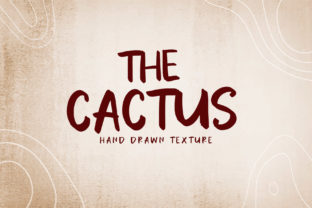
Handwritten fonts can make or break a design—especially when authenticity and lightness matter. The Cactus stands out not because it shouts, but because it breathes: a carefully crafted, elegantly light handwritten typeface with subtle irregularities that feel human, not algorithmic. It’s not a script meant for headlines alone, nor is it designed for dense body text. Instead, The Cactus occupies a thoughtful middle ground—ideal for moments where warmth, intention, and visual clarity converge.
A Font That Prioritizes Rhythm Over Rigidity
What sets The Cactus apart isn’t just its appearance—it’s how it behaves on the page. The letterforms are open and airy, with generous x-heights and delicate stroke contrast. Ascenders and descenders extend with gentle confidence, never overwhelming surrounding elements. There’s a natural flow to the connected lowercase letters, yet each glyph retains enough independence to remain legible at small sizes—unlike many highly stylized scripts that blur into abstraction below 24pt.
The “authentic twist” referenced in its description comes through in intentional imperfections: slight variations in stroke weight, soft terminals, and organic entry/exit strokes that mimic real pen movement. These aren’t random quirks—they’re consistent, repeatable, and calibrated to avoid visual fatigue. You’ll notice them on close inspection, but they recede gracefully in context, supporting tone rather than dominating it.
Where The Cactus Delivers Practical Value
In practice, The Cactus excels in applications where brand voice leans toward approachable sophistication—not playful whimsy, not corporate austerity. Consider these realistic uses:
- A boutique skincare brand using it for product names and ingredient callouts on minimalist packaging;
- An independent educator designing workshop handouts or course welcome emails;
- A freelance photographer pairing it with clean sans-serif body text for portfolio site headings;
- A small-batch coffee roaster applying it to limited-edition bag labels or seasonal menu boards;
- A wedding stationery designer setting ceremony details or monogrammed envelopes.
It performs especially well in digital contexts where screen readability matters: SVG exports retain crisp edges across devices, and OpenType features (including standard ligatures and contextual alternates) help prevent repetitive letter combinations from feeling mechanical. Unlike some handwritten fonts that rely heavily on discretionary swashes, The Cactus keeps embellishments minimal and purposeful—so it scales reliably from mobile banners to large-format prints.
Usability and Workflow Integration
For professionals managing tight deadlines, compatibility and predictability matter. The Cactus ships as a well-structured OTF file with full Latin character support (including diacritics for French, Spanish, and German), basic punctuation, numerals, and common symbols. It lacks extended language coverage (e.g., Cyrillic or Vietnamese), so multilingual editorial projects may require pairing with a complementary typeface. Kerning pairs are thoughtfully adjusted, reducing manual tweaking in layout tools like Adobe InDesign or Figma.
One practical note: while The Cactus includes both regular and italic styles, the italic isn’t a slanted version of the roman—it’s a distinct draw, with altered letter shapes and spacing logic. This adds nuance but means designers shouldn’t assume automatic style-switching will yield harmonious results. Testing typographic hierarchy (e.g., heading + subheading + body) before finalizing layouts helps avoid unintended visual competition.
Who Benefits Most—and When to Look Elsewhere
The Cactus suits creators who value restraint, understand typography’s role in emotional resonance, and work primarily in English-language markets. Entrepreneurs launching lifestyle brands, educators building trusted learning experiences, and freelancers curating cohesive visual identities often find it adaptable without being overused. Its lightness makes it particularly effective against muted or textured backgrounds—think linen paper mockups, soft gradient overlays, or neutral photography.
That said, it’s not universally appropriate. Projects requiring high legibility at distance (e.g., signage, wayfinding, or presentation slides viewed from the back of a room) may benefit more from bolder, higher-contrast options. Similarly, if your audience skews younger and expects maximalist energy—or if your brand voice hinges on irony, rebellion, or tech-forward precision—The Cactus’s quiet elegance could feel misaligned. It also doesn’t solve for accessibility on its own; pairing it with a highly legible sans-serif for body copy remains essential for inclusive reading experiences.
Long-Term Use and Design Longevity
Fonts age differently. Some feel dated within months due to trend-driven flourishes; others gain quiet authority over time. The Cactus leans toward the latter. Its balance of craft and simplicity avoids chasing stylistic fads—no exaggerated bounce, no forced calligraphic drama, no artificial distressing. That gives it staying power across seasons and campaigns. Designers report returning to it years after initial purchase for new client work, not out of habit, but because it still feels fresh and functional.
From a licensing standpoint, most vendors offer perpetual desktop licenses suitable for commercial use—including merchandise, social assets, and client deliverables—as long as embedding in apps or web fonts isn’t required. Always verify license terms before deployment, especially for SaaS platforms or subscription-based products where font hosting rules differ.
Realistic Recommendations for Getting Started
If you’re evaluating The Cactus, begin by testing it in your actual workflow—not just as a standalone specimen. Try these low-effort checks:
- Set a short headline and tagline side-by-side with your current go-to serif or sans-serif. Does the contrast feel intentional or jarring?
- Export a PDF with The Cactus used at 18pt and 36pt. View it on both laptop and phone screens. Are letter connections clear? Do any glyphs appear too thin or fragile?
- Print a sample on your intended paper stock (e.g., uncoated matte or kraft). Does ink spread affect legibility?
- Ask a colleague unfamiliar with the font to read a sentence aloud. Did they stumble on any characters? Which words stood out—and why?
These steps surface usability issues faster than theoretical analysis. They also reveal whether The Cactus supports your communication goals—or merely decorates them.
Ultimately, The Cactus earns attention because it serves a specific, recurring need: helping human-centered messages land with grace. It won’t replace your system font stack, nor should it. But when the moment calls for something tender, precise, and quietly confident—when the goal is connection, not decoration—that’s when The Cactus becomes more than a typeface. It becomes a reliable tool, quietly doing its work.