Moonlight Sonata Font: A Timeless Handwritten Typeface for Authentic Design
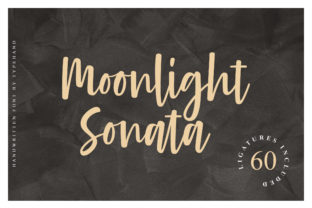
When you see elegant, flowing letterforms that feel personal, expressive, and effortlessly human—you might be looking at the Moonlight Sonata font. Despite its evocative name, this typeface has no direct connection to Beethoven’s iconic piano sonata. Instead, Moonlight Sonata is a classic, hand-drawn script font designed to bring warmth, authenticity, and artistic nuance to digital and print projects alike.
What Is Moonlight Sonata Font?
Moonlight Sonata is a premium handwritten script font created by skilled typographers to mimic the natural rhythm and variation of real pen-on-paper writing. Each character features subtle inconsistencies—slight variations in stroke weight, delicate entry and exit flourishes, and organic spacing—that collectively create an unmistakably human touch. Unlike rigid, geometric scripts or over-processed brush fonts, Moonlight Sonata balances elegance with approachability, making it ideal for designs that aim to feel sincere rather than overly polished.
The font typically includes uppercase and lowercase letters, numerals, punctuation, and often supports multilingual characters (including Latin-based European languages). Many versions also offer alternate glyphs—such as swash capitals or contextual ligatures—to enhance visual richness and typographic flexibility.
Why Designers Choose Moonlight Sonata
In today’s fast-paced digital landscape, where AI-generated content and algorithm-driven visuals dominate, audiences increasingly crave authenticity. Moonlight Sonata meets that need head-on. Its handmade aesthetic signals care, intentionality, and individuality—qualities that resonate deeply in branding, storytelling, and user experience.
Here’s how it stands out:
- Emotional resonance: Script fonts like Moonlight Sonata trigger subconscious associations with handwritten notes, love letters, and personal invitations—evoking trust and intimacy.
- Design versatility: It works beautifully across contexts—from wedding stationery and boutique packaging to social media graphics and editorial headers.
- Readability with charm: While highly stylized, Moonlight Sonata maintains strong legibility at medium-to-large sizes, especially when used thoughtfully (e.g., headlines, quotes, short callouts).
- Timelessness over trendiness: Unlike many “trendy” script fonts that fade quickly, Moonlight Sonata’s balanced proportions and classic structure ensure longevity in design applications.
Common Use Cases—and When to Use It Wisely
Moonlight Sonata shines brightest when applied with purpose—not just because it looks pretty. Consider these real-world examples:
- Branding for lifestyle businesses: A local artisanal bakery might use Moonlight Sonata in its logo or menu headers to reinforce values like craftsmanship, tradition, and warmth.
- Invitations & special occasions: Wedding suites, baby announcements, or milestone birthday cards gain emotional depth when set in this font—especially paired with soft textures or watercolor backgrounds.
- Social media storytelling: Instagram quote graphics or Pinterest pins benefit from Moonlight Sonata’s expressive flow, helping messages stand out in crowded feeds.
- Educational materials with personality: Teachers designing classroom posters or homeschool curricula can use it to make learning feel inviting—not intimidating.
- Book covers & indie publishing: Fiction authors in romance, historical fiction, or memoir genres often choose Moonlight Sonata to convey voice, vulnerability, or nostalgia.
However, context matters. Moonlight Sonata is not ideal for body text, legal disclaimers, data-heavy infographics, or accessibility-critical interfaces (like medical apps or government websites), where clarity and screen-reader compatibility take priority. Always pair it with a clean, highly legible sans-serif (e.g., Inter, Lato, or Open Sans) for contrast and balance.
Dispelling Common Misconceptions
Because of its poetic name and romantic appearance, several myths surround Moonlight Sonata:
- Myth: It’s free and open-source. Reality: Most high-quality versions of Moonlight Sonata are commercial fonts requiring a license for professional use. Free downloads found on unofficial sites may be pirated, outdated, or lack essential glyphs and language support.
- Myth: It’s only for feminine or “girly” designs. Reality: With thoughtful color palettes, layout, and supporting typefaces, Moonlight Sonata conveys sophistication, artistry, or quiet confidence—regardless of gendered assumptions.
- Myth: Handwritten fonts are unprofessional. Reality: In creative industries, education, hospitality, and wellness sectors, authentic typography builds credibility—not undermines it. The key is intentional usage, not avoidance.
- Myth: You need advanced design skills to use it well. Reality: Even beginners can achieve great results by starting simple: use it for one headline per layout, avoid all-caps settings (which reduce readability), and test contrast against backgrounds.
How Moonlight Sonata Fits Into Modern Creative Workflows
Today’s designers juggle speed, scalability, and soul. Tools like Figma, Canva, Adobe Creative Cloud, and even modern website builders now support custom font uploads—including Moonlight Sonata—making it easier than ever to integrate into client work or personal projects.
For freelancers and small studios, licensing Moonlight Sonata signals professionalism and attention to detail. Clients notice when typography feels considered—not generic. For educators and content creators, using it in presentations or handouts adds visual distinction without sacrificing clarity.
Technologically, Moonlight Sonata is typically delivered in OpenType (.otf) or Variable Font formats, ensuring compatibility across platforms and enabling features like stylistic sets and automatic ligature substitution—enhancing both aesthetics and efficiency.
Getting Started With Moonlight Sonata
If you’re ready to explore Moonlight Sonata in your next project, follow these practical steps:
- Source it ethically: Purchase from reputable marketplaces like Creative Market, MyFonts, or directly from the foundry’s official site.
- Install correctly: On macOS or Windows, double-click the .otf file and select “Install.” In web projects, convert to WOFF2 format and load via
@font-faceCSS rules. - Pair intentionally: Try pairing with neutral sans-serifs (e.g., Montserrat or Manrope) for headings + body text hierarchy—or with serif companions like Cormorant Garamond for layered elegance.
- Test responsiveness: Ensure legibility on mobile devices by previewing at 16–24px sizes; avoid scaling below 18px for optimal clarity.
- Respect licensing: Check usage rights—some licenses cover desktop use only, while others include web, app, or unlimited commercial use.
Final Thoughts: Why Authentic Typography Matters
In an age of automation and mass production, choosing a font like Moonlight Sonata is more than a stylistic decision—it’s a statement. It says: This message was crafted with care. This brand values humanity over uniformity. This design invites connection, not just consumption.
Whether you're launching a new product, creating classroom resources, or designing a heartfelt greeting card, Moonlight Sonata offers a rare blend of artistry and utility. It doesn’t shout—but it lingers. It doesn’t dazzle with complexity—but it rewards closer looking. And most importantly, it reminds us that behind every pixel, there’s still room for the human hand.
So the next time you reach for a script font, ask yourself: Does it reflect who you are—or who you want to be? With Moonlight Sonata, the answer is often beautifully, quietly, yes.